Designers improve their creative process by defining the problem and planning each stage before starting design work. That early thinking decides whether the weeks ahead run smoothly or collapse into costly rework. Yet plenty of teams jump straight to sketching and disagree about project goals after completing much of the work. At Classroom Encounters, we […]

Design challenges help students develop creative thinking. They walk a class through empathising, defining problems, generating ideas and testing solutions. Each stage hands a class something concrete to do at the exact moment a blank page would normally stop them. Most teachers already know their students can think creatively. Few classrooms give that thinking the […]
Your design portfolio may look polished, but a gallery of finished designs leaves out how you approached the brief, solved problems, and arrived at the final result. To build a portfolio that tells the fuller story, choose projects that show your process as well as the outcome. Then explain the decisions behind each design and […]
Learning through real projects creates stronger design skills. Students practise on genuine problems, get feedback from live audiences, and work under conditions that challenge what they thought they knew. A brief with a deadline, a client, and a budget teaches more than any slide deck ever will. Yet most design courses save the hands-on work […]
Designing for real people sharpens your design skills in a way no fake brief ever will. Most web design projects for beginners skip this step entirely, relying on made-up clients who never point out a confusing button or a cluttered page. We get it. Practising on made-up briefs feels safe, because no real person is […]
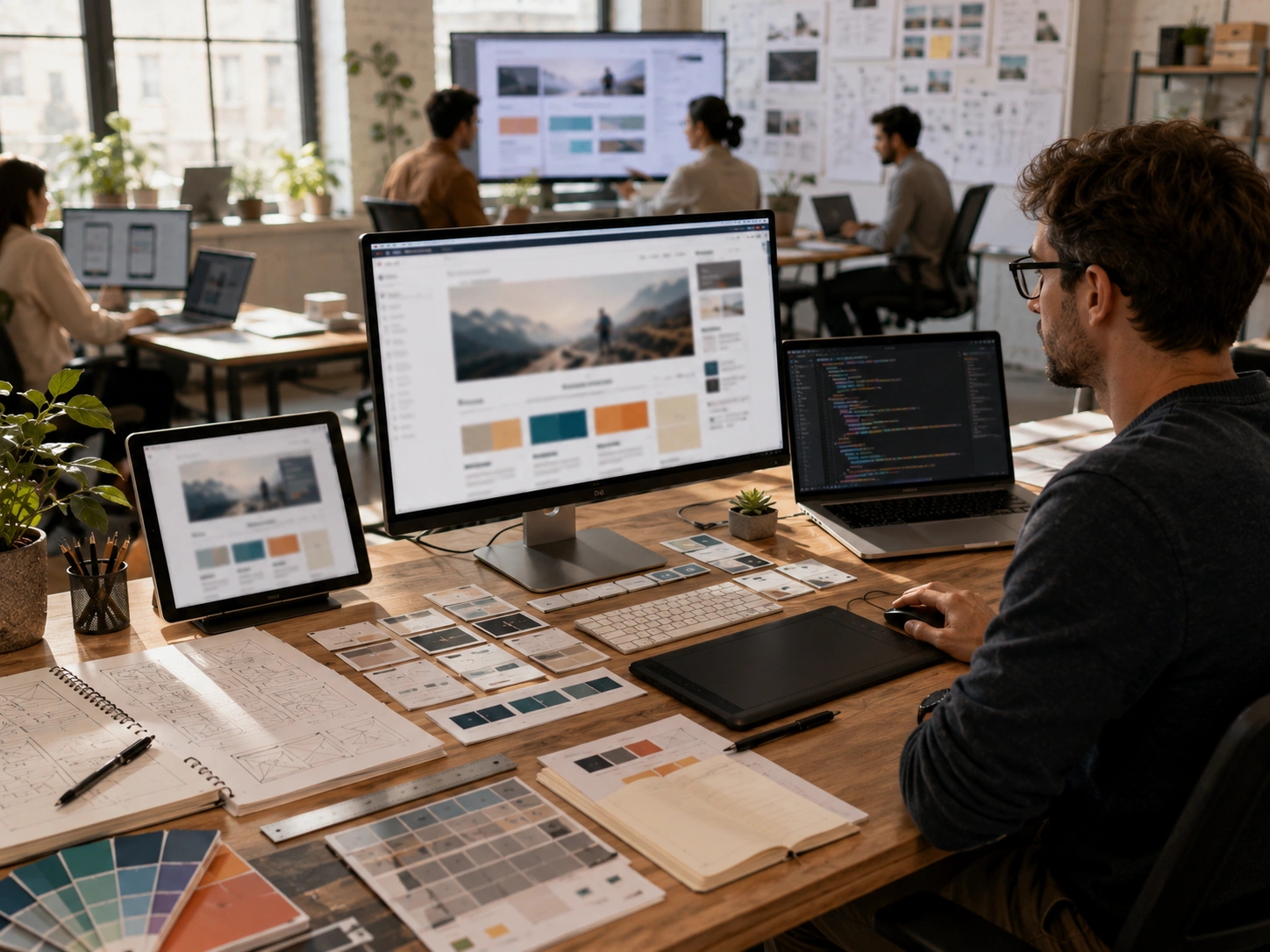
Every designer should learn basic HTML and CSS. Not to become a developer, but to stop guessing how their layouts behave in a browser. That one shift changes how you work as a designer. In fact, most creative professionals who understand the code behind their visuals make faster decisions. They catch layout problems early and […]
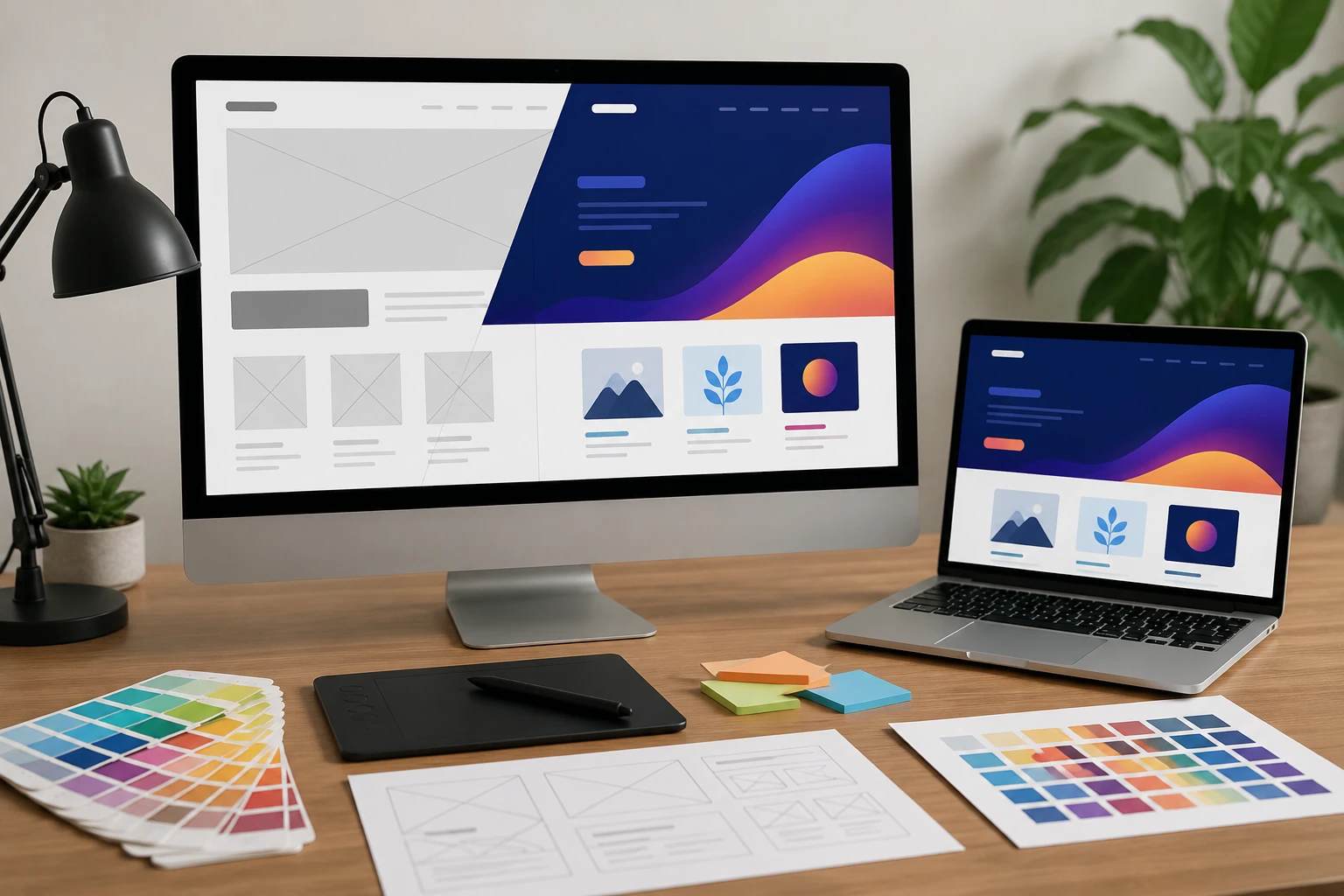
Yes, strong branding improves website usability by creating clear visual cues, consistent navigation, and a more familiar experience for visitors. When your identity, layout, and brand voice all work together, users don’t have to think twice about where to go or what to do next. That’s exactly the kind of website Class Room Encounters helps […]

Visitors form opinions about a website in seconds because the brain processes visual information faster than words. That snap judgement pulls from colour, layout, and structure all at once. It’s done before a single line of copy gets a look-in. And here’s the thing: that reaction is driven by specific visual and psychological cues your […]
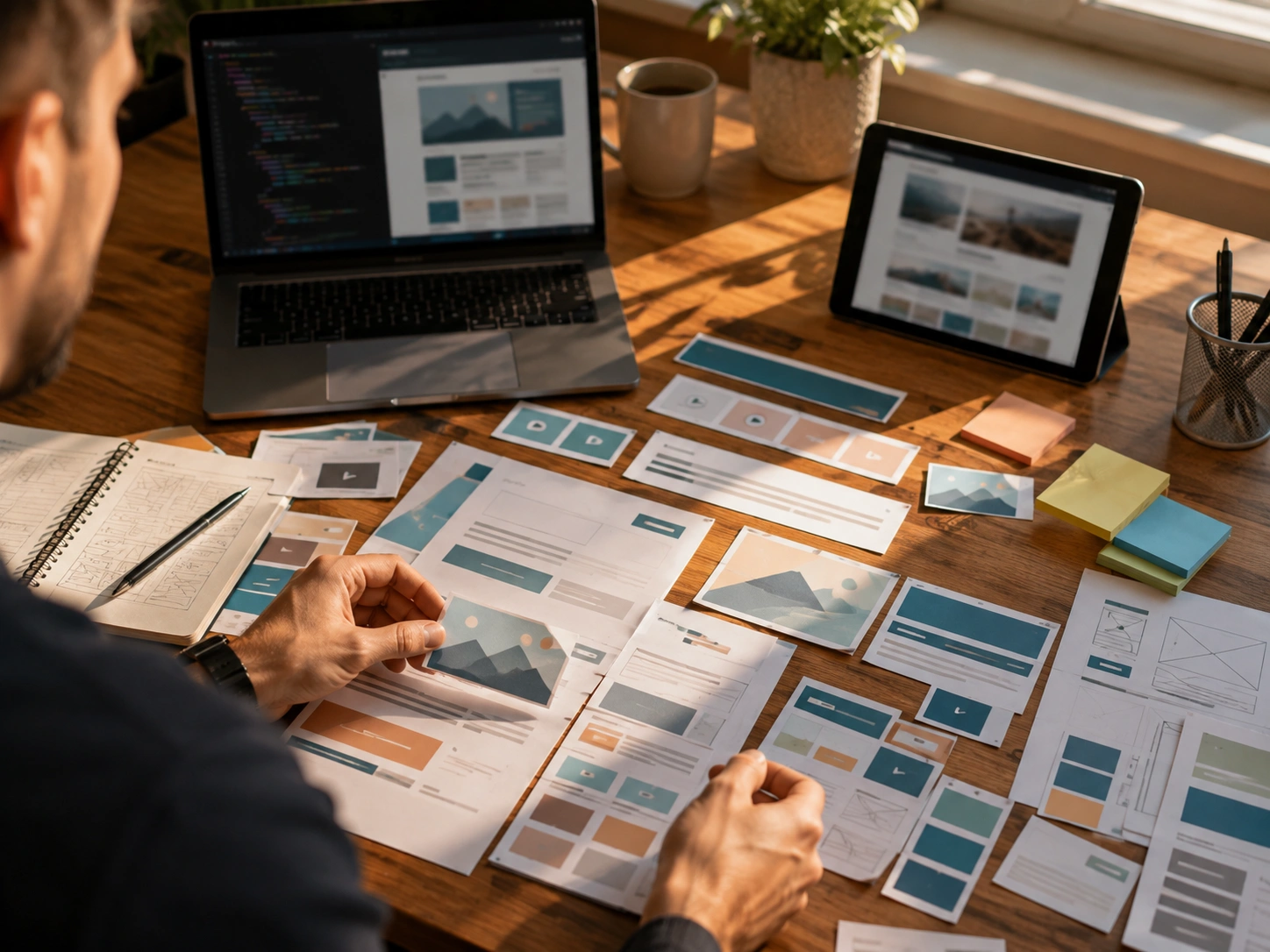
You’ve probably heard that studying great design is the fastest way to improve, and that holds true for the most part. But in reality, there’s another side to it that rarely gets talked about. Design critique builds that other side (and it’s something most beginners stumble onto only by accident). At its core, it means […]
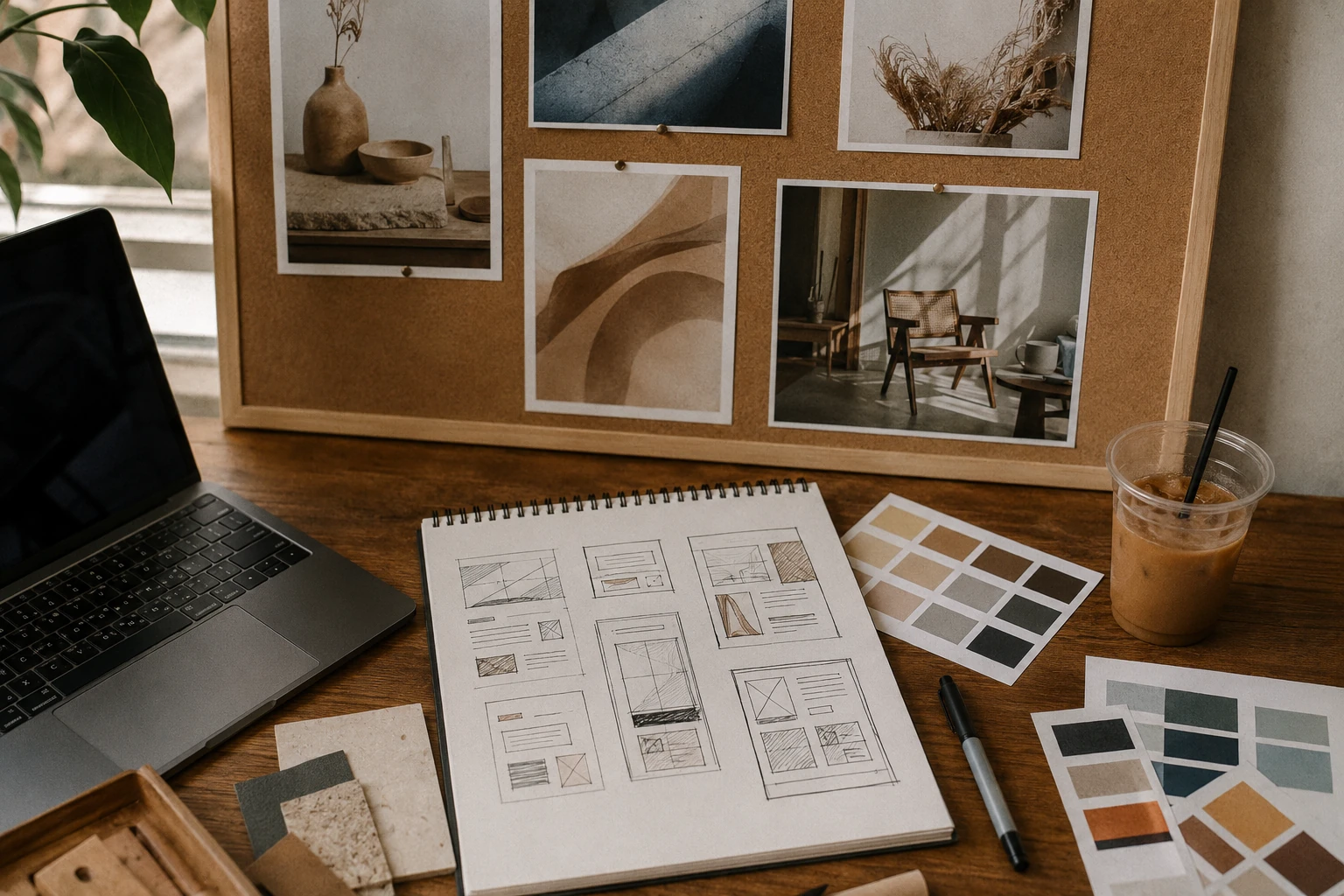
Most designers don’t set out to copy anyone. They find a design they’re inspired by, save it for reference, and start working. But somewhere in the creative process, the finished piece ends up looking closer to that source than they ever planned. This happens because original works are easy to study but difficult to set […]