Yes, strong branding improves website usability by creating clear visual cues, consistent navigation, and a more familiar experience for visitors. When your identity, layout, and brand voice all work together, users don’t have to think twice about where to go or what to do next.
That’s exactly the kind of website Class Room Encounters helps Australian businesses build. Based on that experience, we’ll cover:
- How it impacts the way users navigate your site
- What goes wrong when branding is inconsistent
- How a clear graphic design strategy supports long-term growth
It’s a lot to unpack, so grab a coffee and let’s get into it.
Brand Identity Changes How Users Navigate a Site
Branding elements like colour, typography, and visual hierarchy send visitors a clear signal about where to look, what to click, and whether to stay. When applied with intention, these elements help your audience move through a site faster and with far less friction.
That said, most people assume design choices are purely visual decisions (drumrolls: they’re not). Here’s how brand identity elements influence the user experience on your site.
Colour Guides Users Without a Word
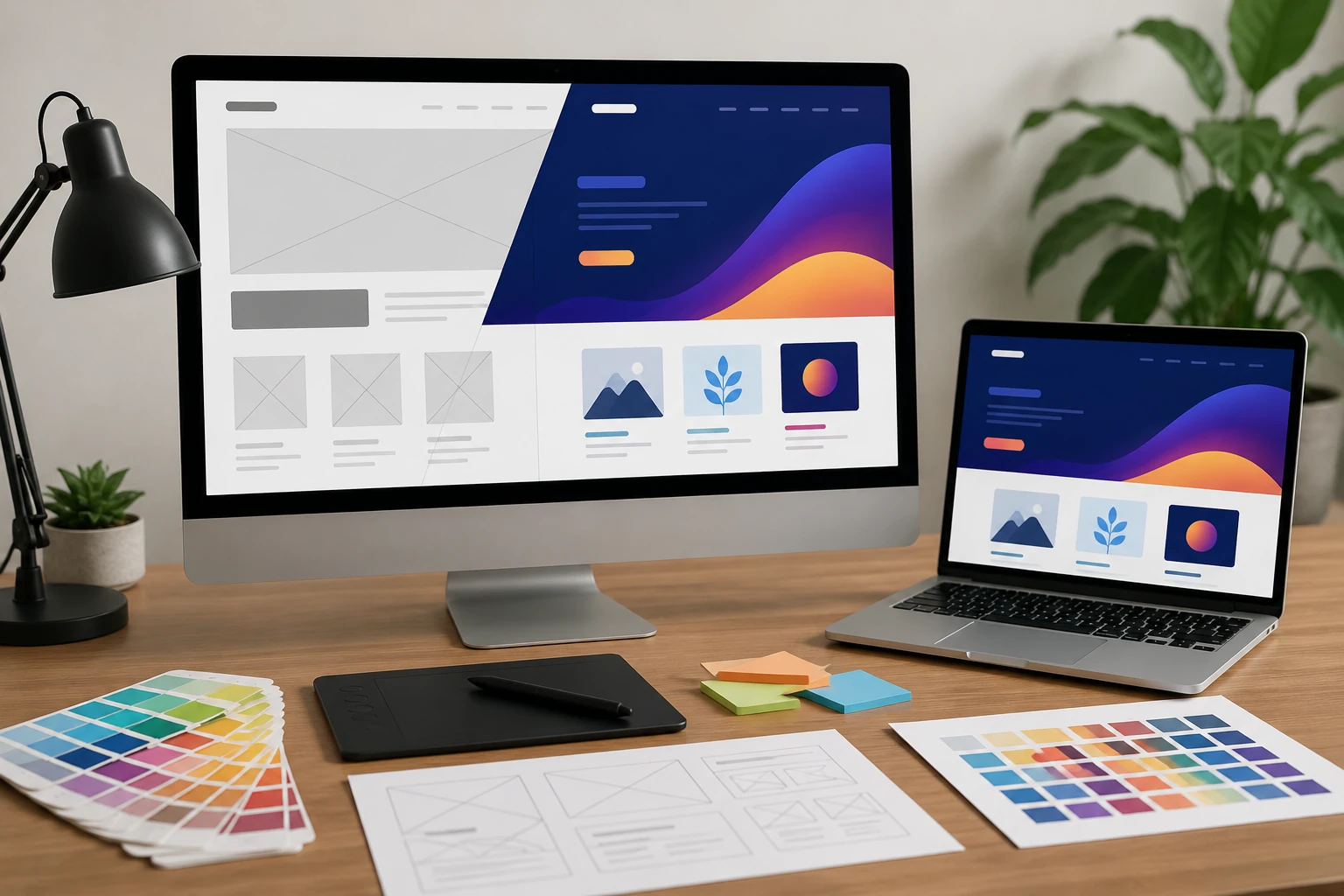
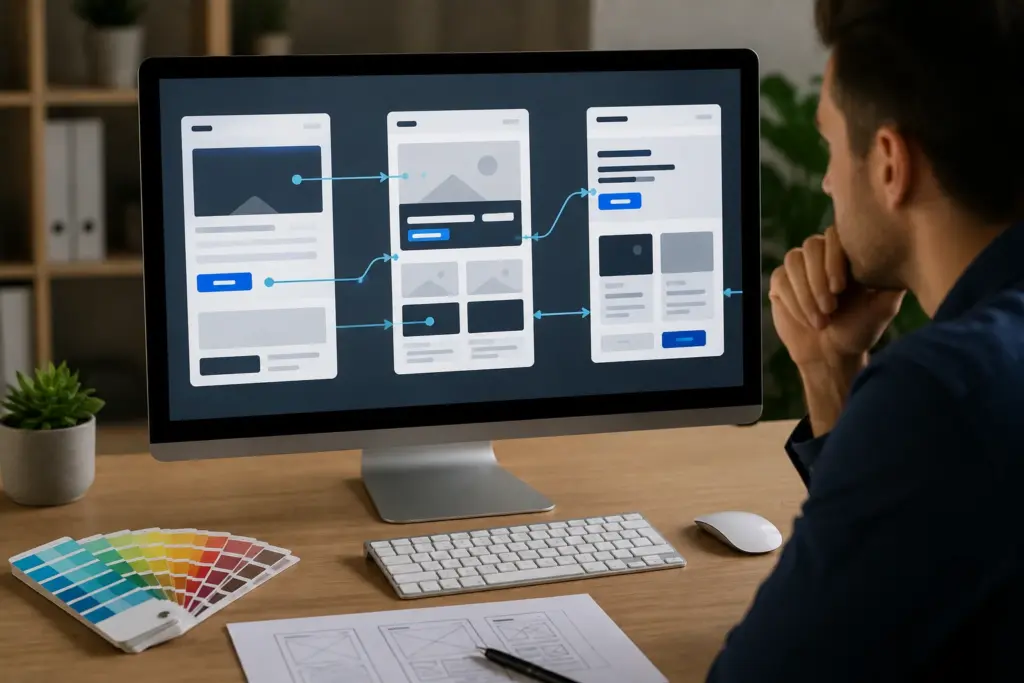
The colours on your site direct attention to buttons, links, and calls to action before a visitor consciously decides where to look. When those colour choices stay consistent across multiple pages, they create a familiar visual system. People then subconsciously build a mental map and always know where they are.
If you remove that consistency, every page will start to feel like the first one they’ve landed on. This will make it harder for visitors to build familiarity with your brand as they explore different sections of the site.
What Typography Does to Readability and Trust
Typography does the heavy lifting for readability well before readers engage with your actual content. Font choice influences how professional and trustworthy your site feels, as readers often form impressions from the style and presentation of your text. A poorly chosen typeface can create doubt before the first sentence is even read.
The Nielsen Norman Group notes that readable visual design, with clear font size and weight hierarchy, helps users scan pages and find what they came for. Inconsistent fonts across pages break that rhythm entirely and make a site feel unfinished.
How Visual Hierarchy Controls Where Eyes Go
Visual hierarchy uses size, contrast, and spacing to tell visitors which information is most important on any given page. In that sense, good information architecture keeps your audience moving forward without making them stop to think.
What’s more, pages can feel overwhelming without clear hierarchy and structure, which leaves visitors unsure where to focus or what to do next. In fact, our user research from usability tests consistently shows this is one of the fastest ways to lose a visitor’s trust.
What Happens When Website Branding Is Inconsistent?
Inconsistent branding across a website creates a fragmented experience that breaks user trust before a single line of copy is read.
Studies also show that companies cite customer confusion as a negative cumulative impact of inconsistent branding on their site. But consumers rarely identify the source of their discomfort. They simply feel uncertain and leave.
These are the five most common branding problems, what your visitors experience, and the real business cost each one carries:
| Branding Problem | What Users Experience | Business Impact |
| Mismatched colours across pages | Disorientation, loss of page familiarity | Higher bounce rate |
| Inconsistent typography | Harder to read, feels unpolished | Lower time on page |
| Conflicting brand voice across the site | Confusion about who the brand is | Reduced trust, fewer conversions |
| Logos varying in style or size | Undermines recognition on every page | Weakens perceived credibility |
| Layout inconsistency page to page | Users can’t build a mental model of the site | Increased drop-off before action |
After working through web design projects with Australian small businesses, these same five features come up every time. And they show their hand through your bounce rate and drop-off data way before you notice them manually.
No single branding problem sits in isolation either. A site with mismatched logos and inconsistent typography sends multiple conflicting signals at once. Gradually, that compounds the damage to your customers’ positive experience of your brand.
Fortunately, tools like Google Analytics can flag where users are leaving, though they don’t always determine why. That’s where reviewing page design, content, and visitors’ journeys becomes important for building a good blueprint.
Can Graphic Design Strategy Drive Long-Term Growth?
A graphic design strategy is a deliberate plan for how brand elements are applied across a website consistently over time. Design choices become reactive without that plan, and the site slowly stops reflecting the brand it was built for.
Take a look at how a clear graphic design strategy pays off for your business.
How Consistent Branding Builds Recognition Over Time
Brand recognition builds through repeated exposure (and that’s where a lot of business owners underestimate graphic design). Every consistent touchpoint on your site, such as your homepage or your services pages, stacks up into something your target audience starts to recognise and rely on.
With time, that familiarity lowers the perceived risk of engaging with your company, and brand loyalty follows. It’s one of the clearest links between good design and long-term growth.
Why Graphic Design Strategy Pays Off for Small Businesses
A well-designed website isn’t just a nice thing to have. For any business owner trying to stand out in a competitive market, it’s a key differentiator. Not to mention, consistent brand presentation can increase revenue by up to 23% across all channels, including social media posts and broader marketing efforts.
That’s not a small number for a business that’s just trying to grow steadily.
From what we’ve seen building sites across a wide range of industries, the clients who start with a clear graphic design strategy rarely need a full overhaul two years later. Their brand reflects their business objectives from day one, and their platform grows with them.
The Next Step Toward a Site Your Customers Will Trust
Strong branding and web design work together to influence user satisfaction, build recognition, and help your business stand out in a crowded market. When you get both right, your site will become one of the most productive tools your company has.
The secret is making sure every element supports the same message and purpose. Ultimately, a website built with this level of consistency gives visitors a clearer experience and gives your business a stronger foundation online.
Class Room Encounters works with Australian businesses to build websites that represent their brand and support long-term growth. Reach out today to start that conversation.

Frequently Asked Questions About Branding and Web Design
These are some of the questions Australian business owners ask most often when they start looking at their website branding. The answers below won’t replace a proper conversation with a web designer, but they’ll give you a solid starting point.
Do I Need Graphic Designers, or Will DIY Tools Work?
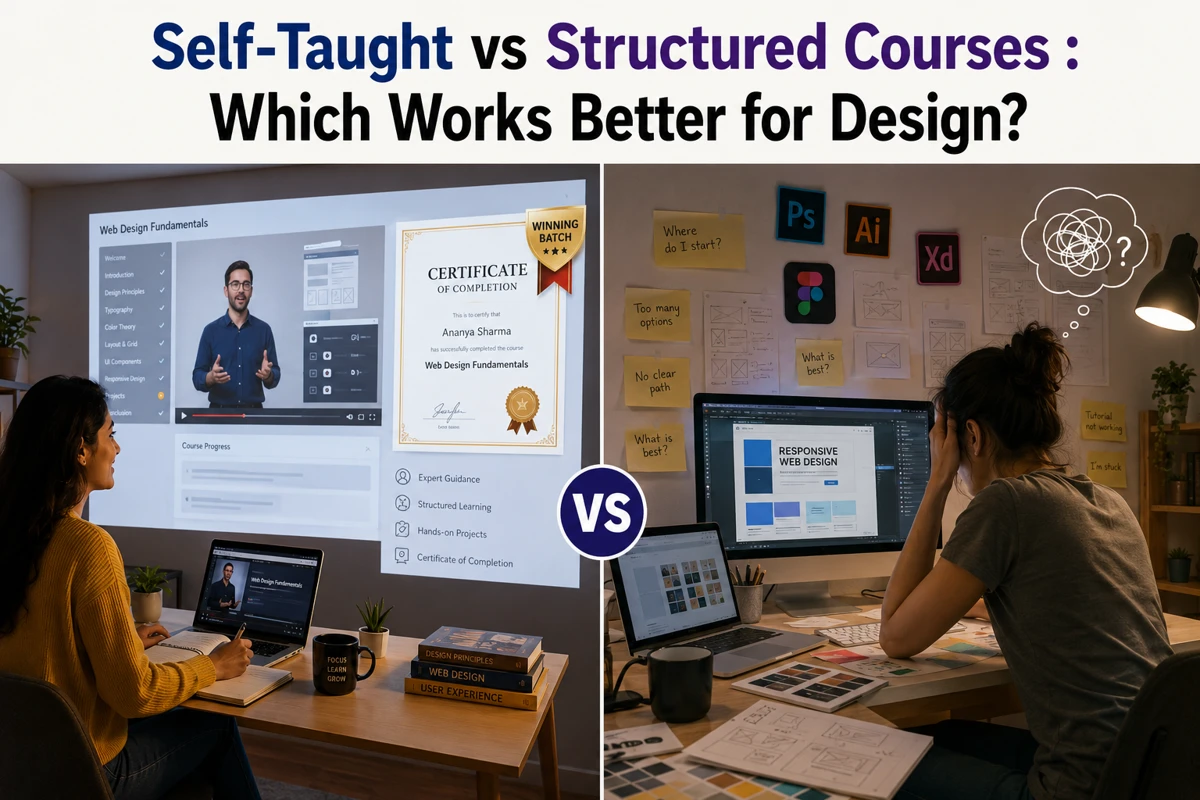
DIY software can handle basic visual tasks, but it doesn’t replace the user research and strategic thinking a professional graphic designer brings to the process. A trained designer understands how branding decisions affect usability, interaction, and the broader user experience across your whole site.
For a particular product or service-based business, that depth of knowledge is worth the investment.
How Long Before Consistent Branding Improves User Experience?
Most businesses start seeing a difference within a few months of applying consistent branding across their site. Usability tests and user satisfaction data tend to reflect improvements sooner than traffic metrics do. That said, the full benefit builds over time as your audience becomes familiar with your visual system and brand voice.
Can I Improve My Website Branding Without a Full Redesign?
Yes, and for many businesses, a full redesign isn’t the right starting point. Small, focused changes to your colour palette, typography, and brand voice across your site can meaningfully improve the experience for visitors without rebuilding everything.
A good web designer will identify which parts of the development process need attention first, rather than starting from scratch.