Learning through real projects creates stronger design skills. Students practise on genuine problems, get feedback from live audiences, and work under conditions that challenge what they thought they knew.
A brief with a deadline, a client, and a budget teaches more than any slide deck ever will. Yet most design courses save the hands-on work until the final week, so theory arrives before it has any practical use. At Classroom Encounters, we watch project-based learning close that gap inside a single term.
What Makes Project-Based Learning Different From Traditional Teaching?
Project-based learning differs from traditional teaching in three clear ways. In a project classroom, students work on genuine problems rather than memorising isolated facts.
Teachers shift from answer-givers to question-askers, so note-taking gives way to active problem-solving. That shift only works when the problems students face are open-ended, the kind with no answer key to fall back on.
Three features separate this approach from a standard lesson plan, and each one reshapes the daily work.
How Students Build Problem-Solving Skills on Real-World Projects
Students learn fastest when a task carries a genuine constraint: a site, a budget, a deadline, or a client who sits outside the school. Real-world projects supply all four at once.
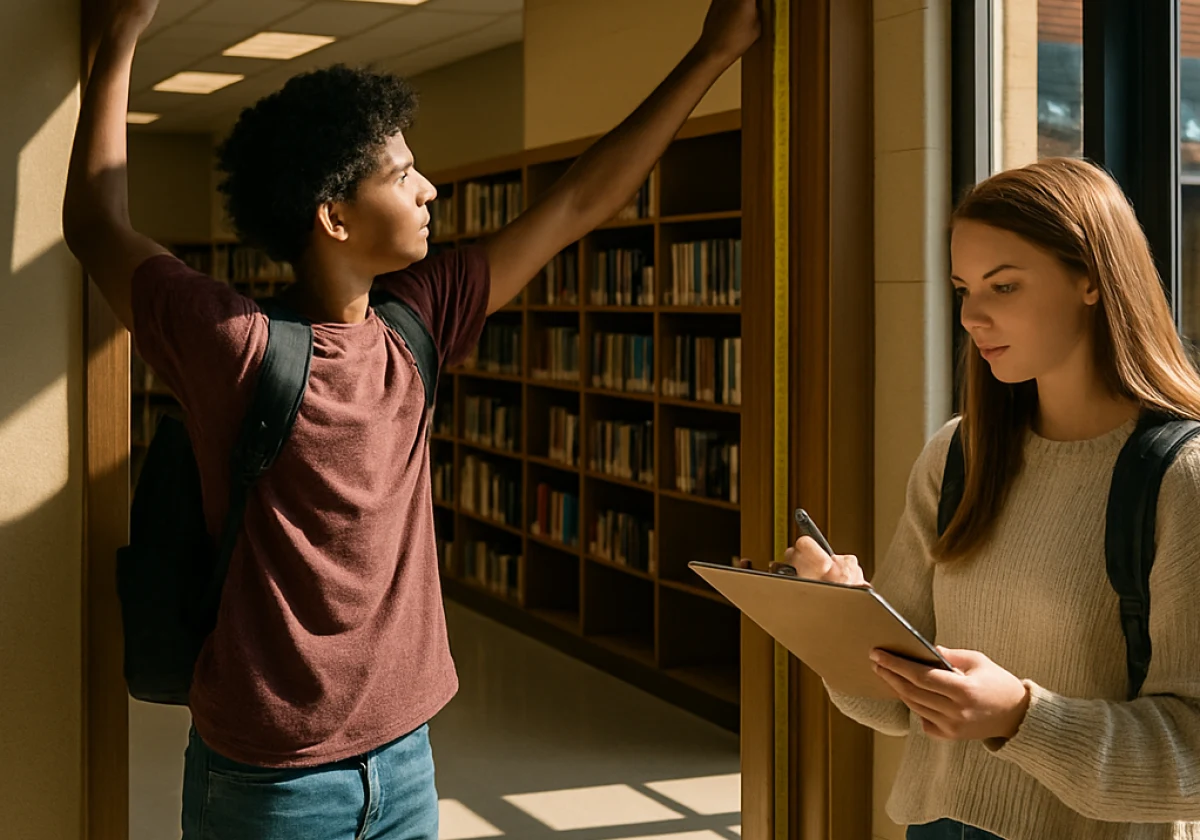
For example, a Year 10 group redesigning library signage has to measure doorways, survey readers, and defend colour choices in front of staff. The brief writes itself after that.
Across the briefs we’ve run, the first prototype usually fails on something physical. The second one works because students tested it instead of guessing.
The Driving Question That Anchors Meaningful Projects
The question hands students one open problem to work through over several weeks, rather than a list of topics to cover. That thread holds the unit together, especially when deadlines start to pile up.
Good ones sound like “How might we make the school canteen queue fair?” instead of “What is queuing theory?” (the wording decides how the whole unit runs).
Because that question stays open, students work back to it whenever they choose materials, sketch ideas, or justify the final product.
Why Sustained Inquiry Builds Critical Thinking and Problem-Solving
Sustained enquiry works because students circle one problem for weeks. Every round of research forces them to drop an assumption that no longer holds, and a deeper understanding takes its place.
In practice, that means three or four cycles of ask, build, test and revise, with written reasoning attached to every change.
You’ll notice thinking skills sharpen in the week students realise their first answer was wrong. Those few days tend to produce the unit’s most focused and purposeful work.
The Benefits of Real-World Application for Design Practice
With that foundation in place, most design students forget lecture content within weeks, yet they remember every project they built. Design practice sticks when the work is public and the stakes are real. Authentic learning shows up in a portfolio long before a test score reflects it.
Four gains stand out once a unit reaches its public presentation.
- Portfolio Evidence: Finished artefacts give students something concrete to show. One well-documented project beats a folder of unmarked exercises at any interview, because real-world application speaks louder than drills ever do.
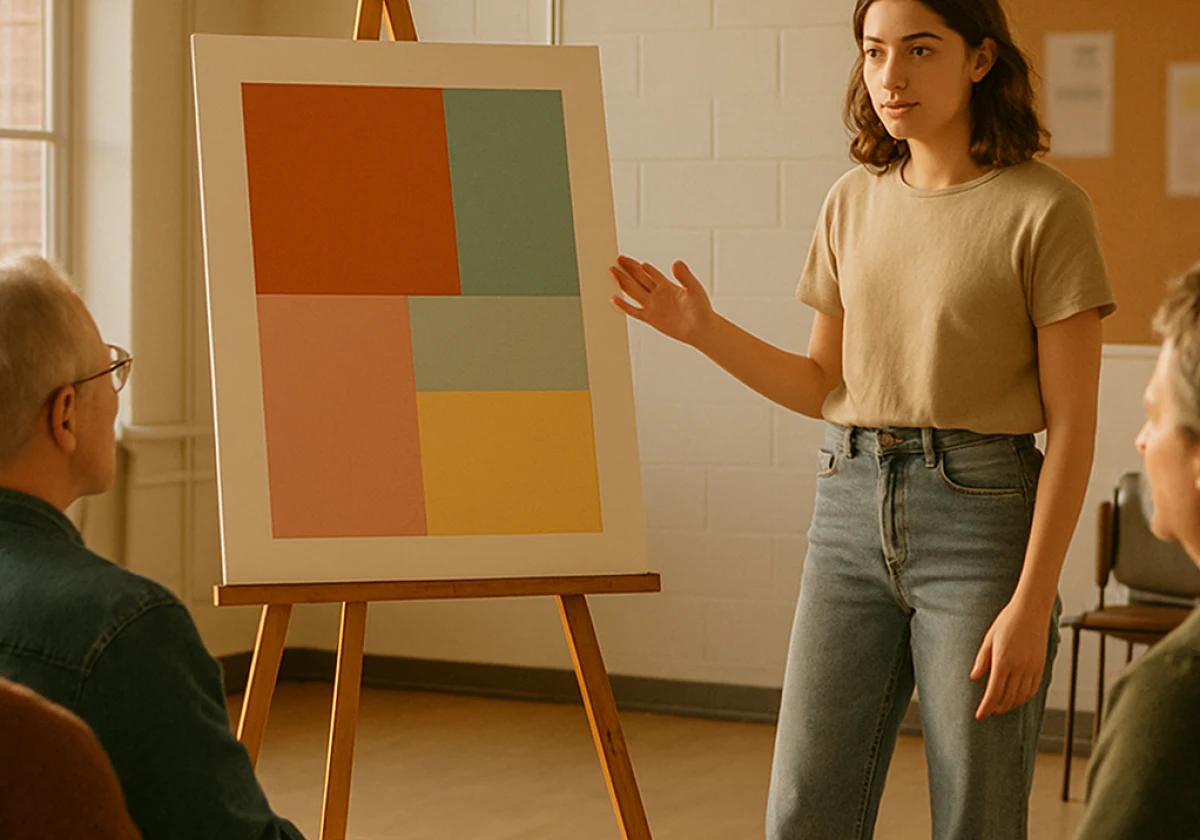
- Feedback From Real Audiences: Presenting to a real client or community group lifts student engagement and sharpens communication skills in ways a classroom exercise rarely does. The stakes sit outside the classroom, and feedback arrives completely unfiltered.
- Collaboration and Communication Under Pressure: Across a six-week brief, students develop negotiation habits that a one-night group assignment never demands of them.
- Transferrable Knowledge And Skills: Practical constraints push knowledge and skills towards real-world problems and challenges, where a brief rarely arrives with clean numbers attached. One large study found students in project-based classes passed their exams at a rate 8 points higher than peers in traditional classes.
Taken together, these gains explain why a portfolio built at school carries more weight than a transcript alone. One brief, long enough to produce something public, does that job on its own.
Building Creative Skills Through Practical Education
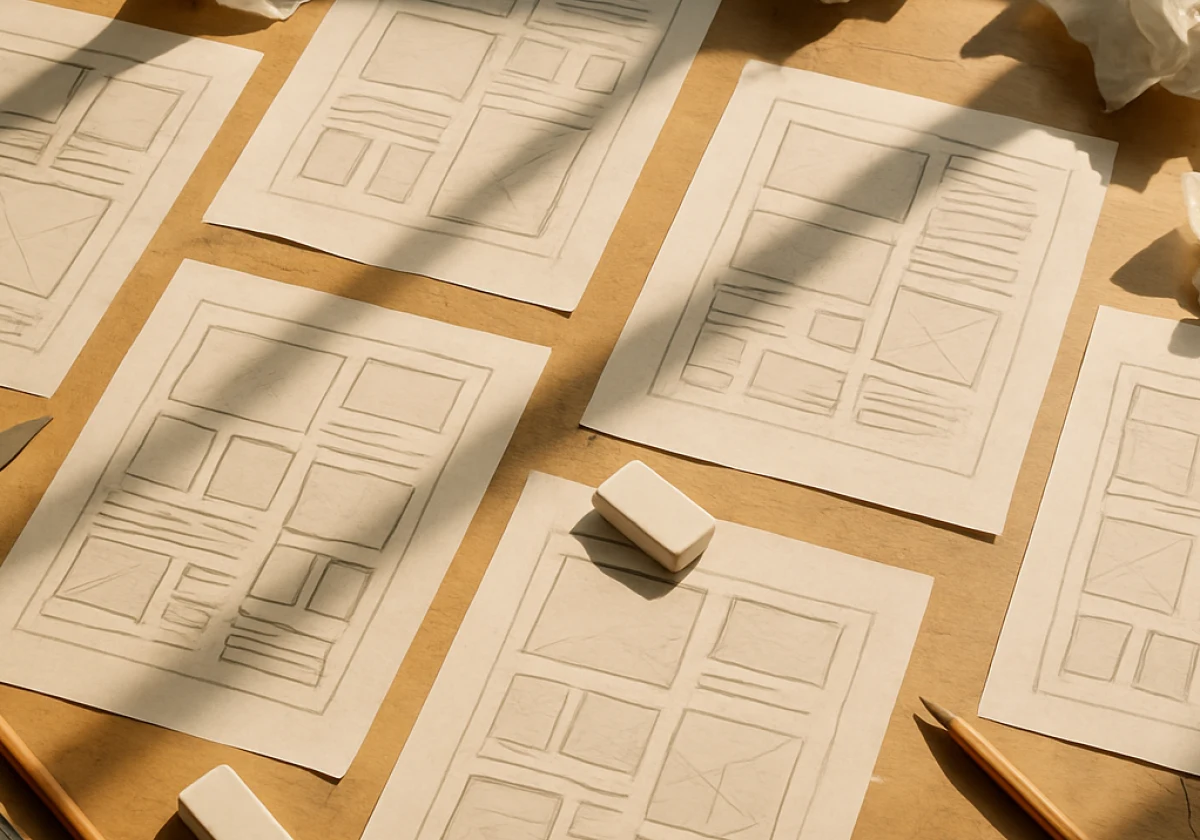
Creative skills build with every project students complete, and that pattern holds across subject areas and year levels. Confidence arrives in a set order: first the sketch, then the prototype that fails, then the version a stranger praises. That order rarely shifts, whatever the subject.
This happens because the learning process rewards iteration instead of one correct answer written in a margin. Creative thinking gets room to move when a student can try a second idea without losing marks.
Once they explore real-world limits like cost and print size, creative solutions stop being decoration and start being answers. Students who redraw a layout five times read other people’s design decisions differently, and they borrow with intent rather than copying blindly.
In our experience running high school design units, the change shows around week three, when sketchbooks get messier and far more useful. If you’ve taught a unit like this, you know the week I mean.
Teachers notice it too, since teaching and learning start overlapping once students show each other software shortcuts and print settings. Peer exchange costs nothing, and it spreads faster than any demonstration from the front of the room.
Classroom Resources: Getting Started With Your First Hands-On Learning Unit
Now that you know the benefits, the resources that make starting a project simple fit on a single shelf. Most teachers need only four documents before day one of project-based learning (PBL). Use the table below to assemble your kit in an afternoon.
| Resource | What it does | When you use it |
|---|---|---|
| Question bank | Holds ten tested questions tied to your curriculum | Week zero, during planning |
| Project calendar | Maps milestones, builds and the presentation date | Day one, shared with students |
| Single-page rubric | Scores process, product and collaboration skills separately. | Mid-unit and at the end |
| Critique protocol | Shapes collaborative learning into kind, specific, helpful feedback. | Every second lesson |
Keep each document to one page, since a kit nobody reads helps nobody. Free question banks sit on PBLWorks, and most teachers adapt one in a free period. Build the question bank first, and the other three fall into place.
Bring Project-Based Learning Into Your Classroom
Real projects build stronger design skills because they hand students a problem worth solving and an audience worth impressing. Nothing on a worksheet manages both at once.
Pick one unit this term, write a single driving question, and let your class carry it through to a public presentation. That first attempt will teach you more than any planning template.
Classroom Encounters builds project-based learning programmes for schools and teachers. Get in touch with our team, and we will help you plan and run that first unit.