Your design portfolio may look polished, but a gallery of finished designs leaves out how you approached the brief, solved problems, and arrived at the final result.
To build a portfolio that tells the fuller story, choose projects that show your process as well as the outcome. Then explain the decisions behind each design and organise the work so visitors can follow your thinking without digging for answers.
This guide walks you through each step, including choosing the right projects and presenting your case studies. First, though, let’s see what potential clients miss when they see only the finished design.
Why Does a Design Portfolio Need More Than Final Images?

Three things separate a portfolio that wins work from one that gets a polite nod: how you understand a brief, how you make decisions, and how you develop ideas into finished work.
Show How You Understand the Brief
A polished design doesn’t tell potential clients what problem it was supposed to solve. Say you designed a landing page for a software company that needed to increase free trial sign-ups. The finished page might look clean, but without that goal stated, reviewers cannot tell whether your layout decisions addressed the client’s problem.
Showing the brief alongside the finished design gives reviewers that missing context.
Explain the Decisions Behind Your Designs
Reviewers want to know why you chose one direction over another rather than just what the final version looks like. Without that reasoning, potential clients and employers can’t tell how you evaluate options or make decisions to solve a problem.
For example, imagine you designed a logo for a financial services company. A clean wordmark might suit the brand better than a detailed illustration, but the finished logo alone won’t explain why you chose it. When you explain how that choice fits the brief, reviewers see your reasoning. Resources like IBM’s Enterprise Design Thinking offer structured frameworks for documenting those decisions.
Demonstrate How Your Ideas Develop
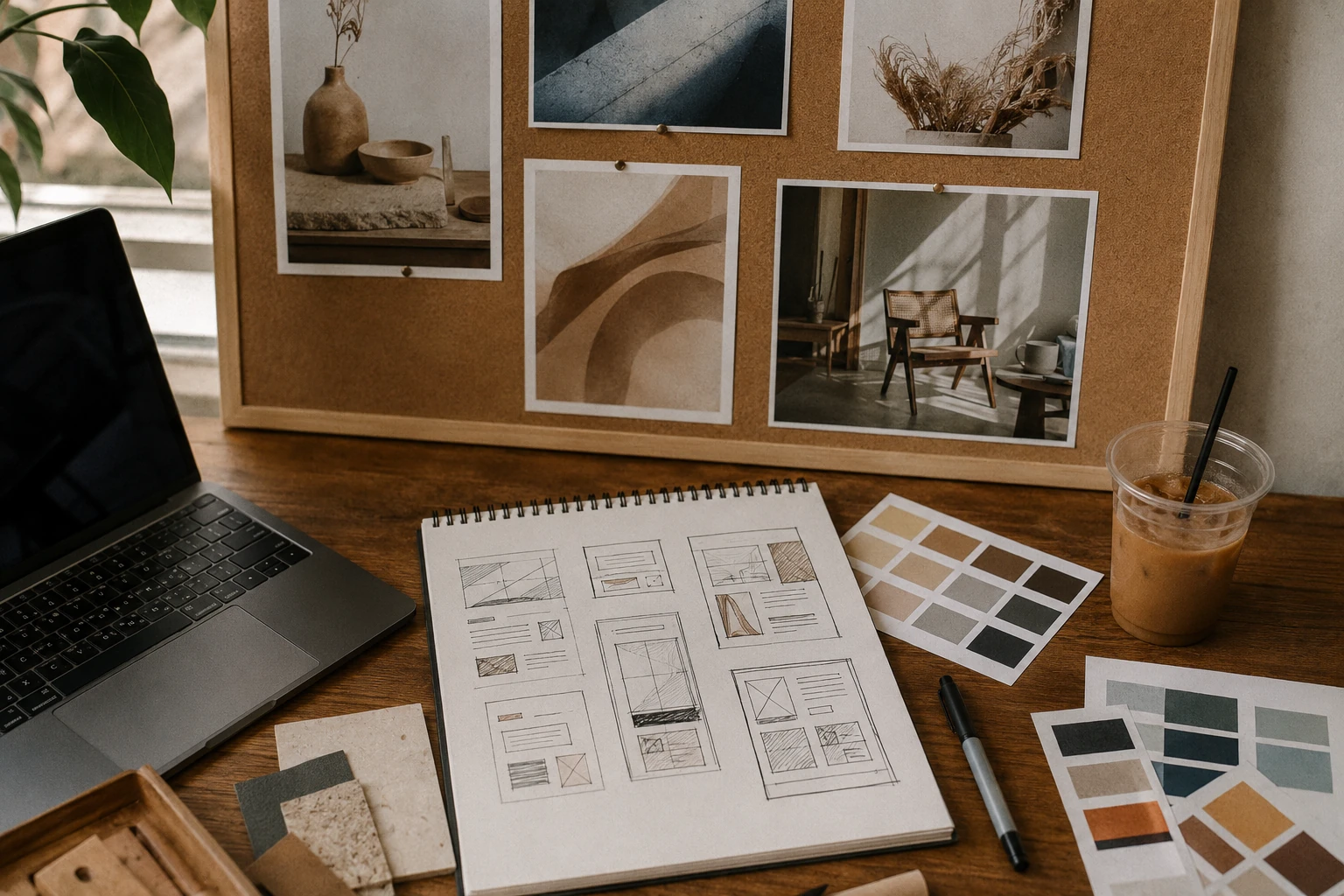
A finished design doesn’t show how you arrived at the final result. Early sketches, wireframes, and revised layouts reveal how you tested ideas and refined your approach before settling on a solution.
You don’t need to show every draft to make that process clear. Choose the stages that best demonstrate how your thinking developed. Three to four stages usually tell the story well: the initial sketch, one or two mid-stage revisions that show a direction change, and the final version.
So, caption each stage with one sentence explaining what changed and why.
Choosing the Right Projects That Prove Your Graphic Design Skills

Fitting every project into your portfolio is the most common mistake we see. But more work doesn’t automatically make a stronger impression. A portfolio filled with unrelated projects can make it harder for potential clients and employers to see where your strengths lie.
So start by thinking about the work you want to do next. If you’re applying for product design roles, for example, prioritise projects that show your ability to solve product problems. A collection of detailed product case studies will make that focus clearer than a mix of unrelated flyers, social media graphics, and student assignments.
What if you don’t have enough client projects to show? You don’t need to leave gaps in your portfolio. Revisit an older project or create a self-directed brief that lets you demonstrate the skills you want to use professionally. Explain the problem, your design decisions, and how you’d approach the work today.
And don’t forget to review each project and ask yourself one question: does this help demonstrate the kind of designer you want to be hired as? If a piece doesn’t support that goal, consider removing it. Your portfolio doesn’t need to document everything you’ve made. It needs to give people a clear reason to choose you for the work you want.
Creative Portfolio Tips: What the Best Design Portfolios Do Differently
You don’t have to figure out every portfolio decision from scratch. Four habits separate portfolios that win work from portfolios that sit unread.
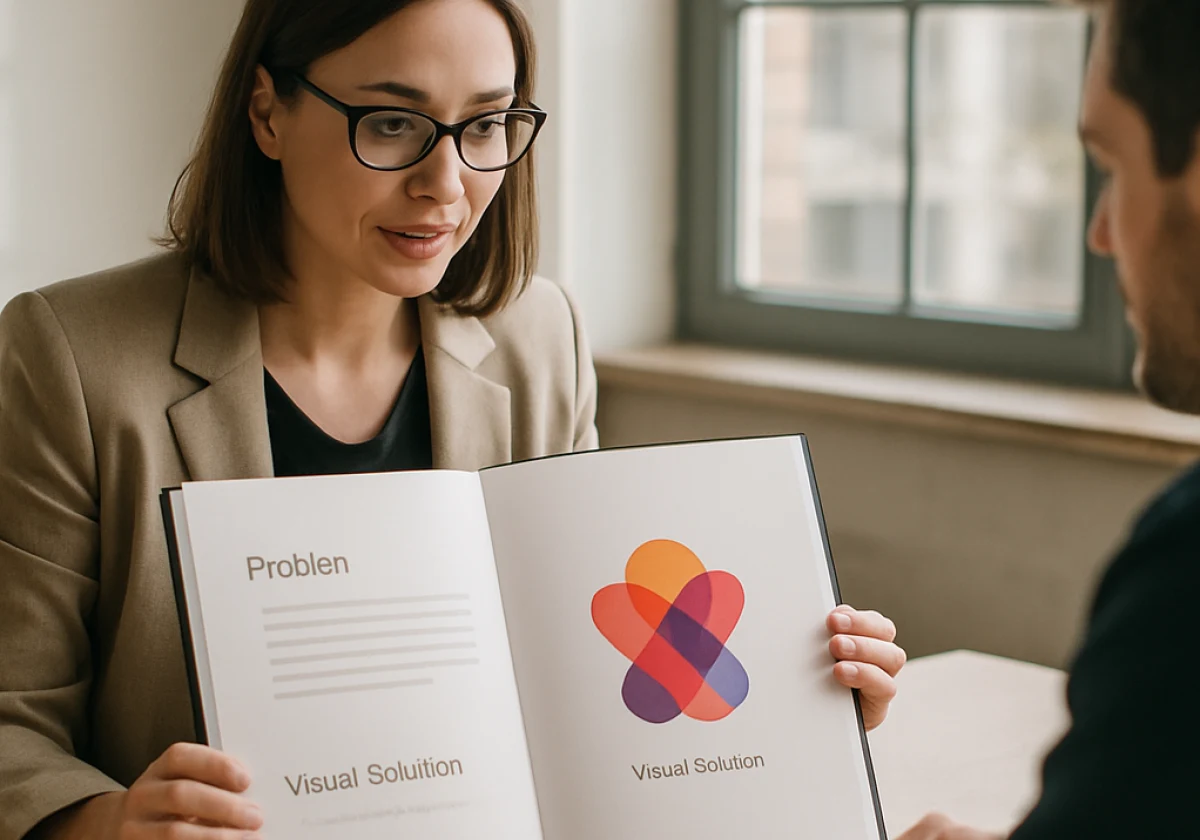
- Give Each Project Context: Explain the brief, the audience, and the problem you needed to solve before showing the finished design. This gives reviewers a reason to care about the work beyond its appearance.
- Choose Quality Over Quantity: Five to eight strong pieces are enough for most portfolios. Each one should connect to the kind of work you want next, so cut anything that pulls the reader in a different direction.
- Let Your Personality Come Through: Your portfolio should give people a sense of how you think and approach design. Explain what guides your decisions, and write about your work in your own voice instead of relying on generic claims about creativity and innovation.
- Show the Results When You Can: If you have reliable evidence that your design improved sign-ups, reduced support requests, or helped a client reach a goal, include it. If you don’t have metrics, explain what the design was intended to achieve and how your choices supported that goal.
When you review other portfolio websites, pay attention to how they communicate the work and not just how they look. You can borrow useful presentation ideas without copying another designer’s visual style.
Your Web Design Portfolio Format Influences How People Read Your Work
Your portfolio format affects how easily visitors can find projects, follow your process, and understand the work you do. The right option depends on the projects you want to showcase and the people you want to reach.
Compare these common formats before choosing one:
| Format | Best for | Keep in mind |
|---|---|---|
| One-page site | Designers with a small selection of projects | Organise the page so visitors can find each project without excessive scrolling. |
| Grid website portfolio | Graphic designers showcasing a range of work | Add links to project details so visitors can explore the thinking behind each design. |
| Long case study page | Product and UX designers explaining their process | Use headings and a table of contents for longer case studies. |
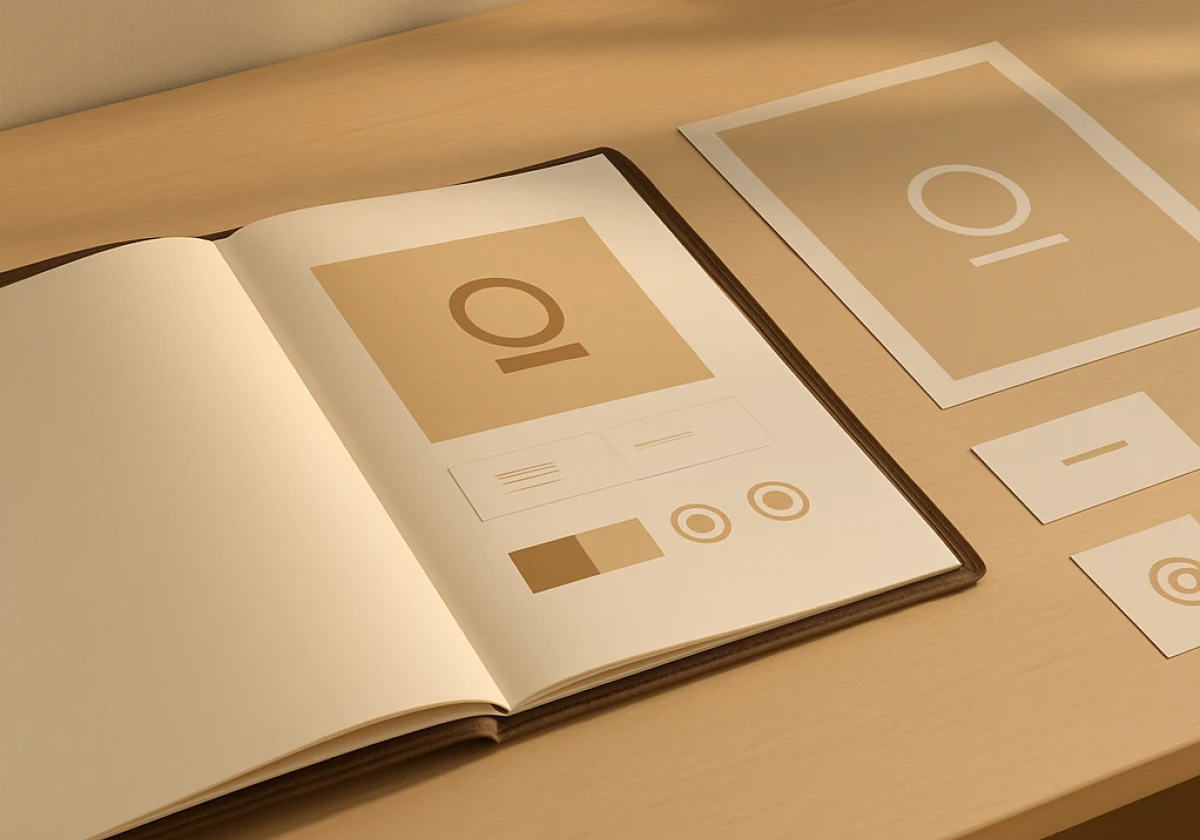
| PDF portfolio | Designers submitting work directly to studios or employers | Compress images to keep the file easy to download and share. |
Whichever format you choose, check that your projects and contact details are easy to find on mobile. A portfolio that looks polished on a desktop can still frustrate visitors if its navigation is difficult to use on a phone.
Start Building a Portfolio That Tells Your Whole Story
Pick one project from your current portfolio and rewrite its description using the brief, your decisions, and the result. That single edit will show you how much stronger the rest of your work can read with the same treatment.
If you’d rather have professional help building a portfolio that showcases your work, get in touch with Classroom Encounters. We’ll help you present your projects in a way that reflects your skills and creative approach.